Study in Malta
A hub for academic excellence
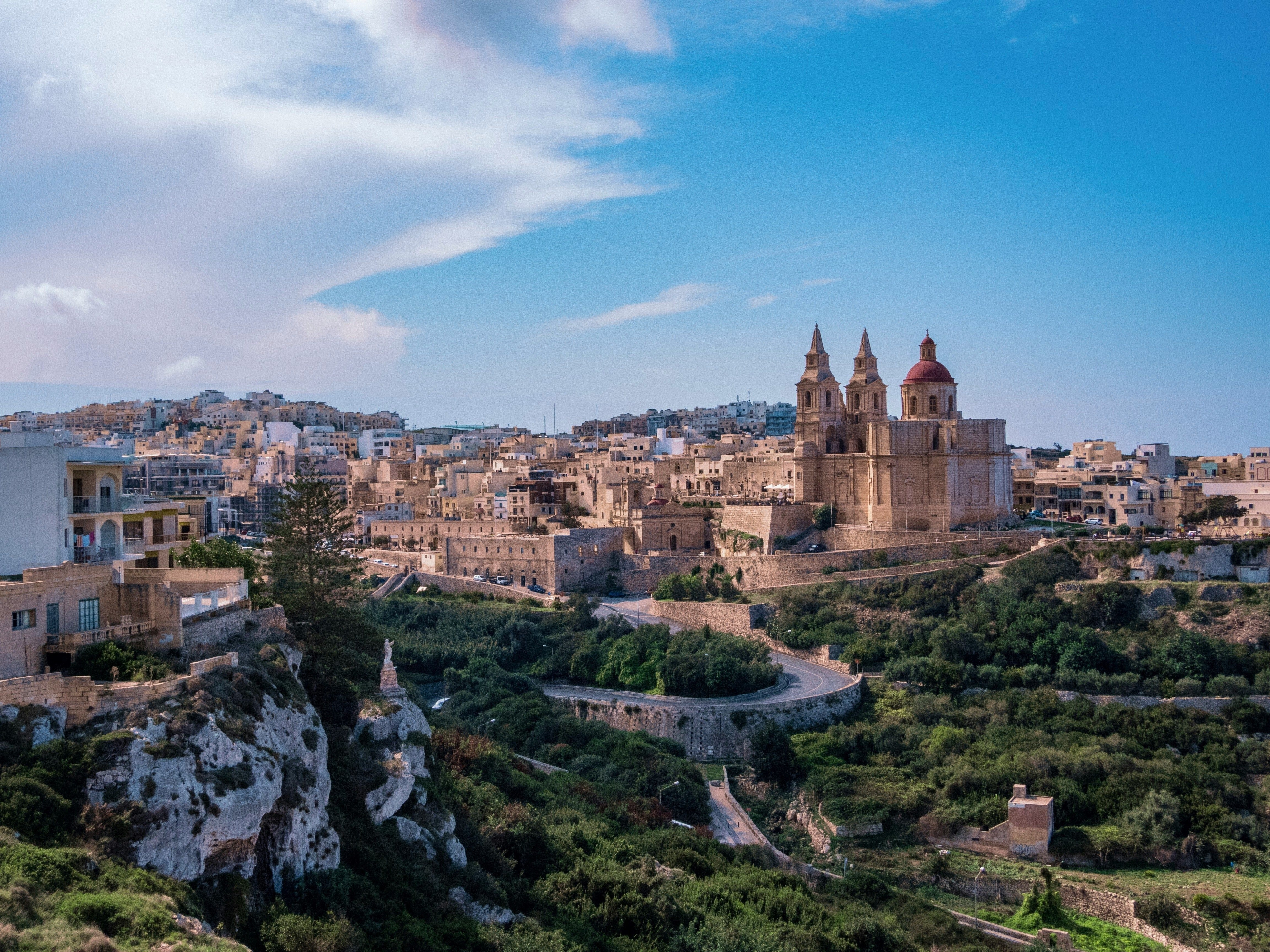


Malta
Why study in Malta
Malta is rapidly becoming a premier destination for international students seeking high-quality education in a Mediterranean setting. As a bilingual country where English is an official language, it offers a seamless transition for students, with most higher education courses taught entirely in English.
Beyond academics, Malta provides a safe, welcoming environment with a cost of living and tuition fees that are significantly more affordable than in many other Western European nations. Its strategic location as a gateway to the European Union and its thriving sectors in iGaming, Finance, and Tourism offer students unique global networking and career opportunities.
Popular programmes
Malta’s academic portfolio is strongly aligned with its booming economy. Programmes in Business Administration, Information Technology, and Hospitality are highly sought after due to the heavy presence of international corporations and a thriving tourism sector. Additionally, Malta is a growing hub for Health Sciences and Blockchain technology, offering niche specialisations that are in high demand globally.
What sets Malta apart
What truly sets Malta apart is its unique combination of safety, English-taught curriculum, and post-study opportunities. International graduates from recognised Maltese higher education institutions can apply for a Post-Study Work Visa, which allows them to stay in the country for up to 12 months to seek employment.
Once a student secures a job, they can transition to a Single Permit, which combines residence and work authorisation. This pathway is particularly attractive given Malta’s low unemployment rates and its status as a leading hub for Fintech and iGaming in Europe.
Student life
The island offers a thriving social scene, from the bustling nightlife of Paceville to traditional village festas that fill the streets with fireworks and music. You can spend your weekends exploring prehistoric temples, diving in crystal-clear Mediterranean waters, or commuting via the affordable ferry system between Valletta, Sliema, and Gozo. The local cuisine, featuring the famous pastizzi and rabbit stew, reflects a rich blend of Mediterranean influences that makes the lifestyle both exotic and comforting.
Min. wage per hour for part-time jobs
Max. allowed part-time work hours
Cost of living
- Accommodation: EUR 400 - EUR 800/month
- Food: EUR 200 - EUR 300/month
- Transportation: GBP 26/month
- Utilities: EUR 70 - EUR 100/month
- Health insurance: EUR 15 - EUR 40/month
(Source: https://www.numbeo.com/ as of Feb 2026)
Visa and work permit
Student visa
- Eligibility: Enrolled in a full-time course at a recognised educational institution.
- Validity: Issued for the duration of the study program (up to 365 days, renewable annually).
Post-study work visa
- Eligibility: Graduates from a recognised MQF Level 5 (or higher) programme.
- Validity: Up to 12 months for job seeking.
Employment opportunities
- Information Technology and iGaming: High
- Financial Services and Fintech: High
- Tourism and Hospitality: High
- Healthcare and Pharmaceuticals: Medium
- Construction and Real Estate: Medium
Tuition fees vary by institution but generally range from EUR 7,000 to EUR 15,000 per year for undergraduate programs and EUR 10,000 to EUR 20,000 for postgraduate degrees.
Yes, most universities require IELTS (usually 6.0 to 6.5) or TOEFL, though some institutions may offer waivers if your previous medium of instruction was English.
Most Maltese institutions are flexible with study gaps, provided you can justify the period with work experience or relevant certifications during the application process.
It is recommended to apply at least 8-12 weeks before your course starts, as the processing time can vary depending on your country of origin.
