Study in Mauritius
World-class education in a tropical paradise
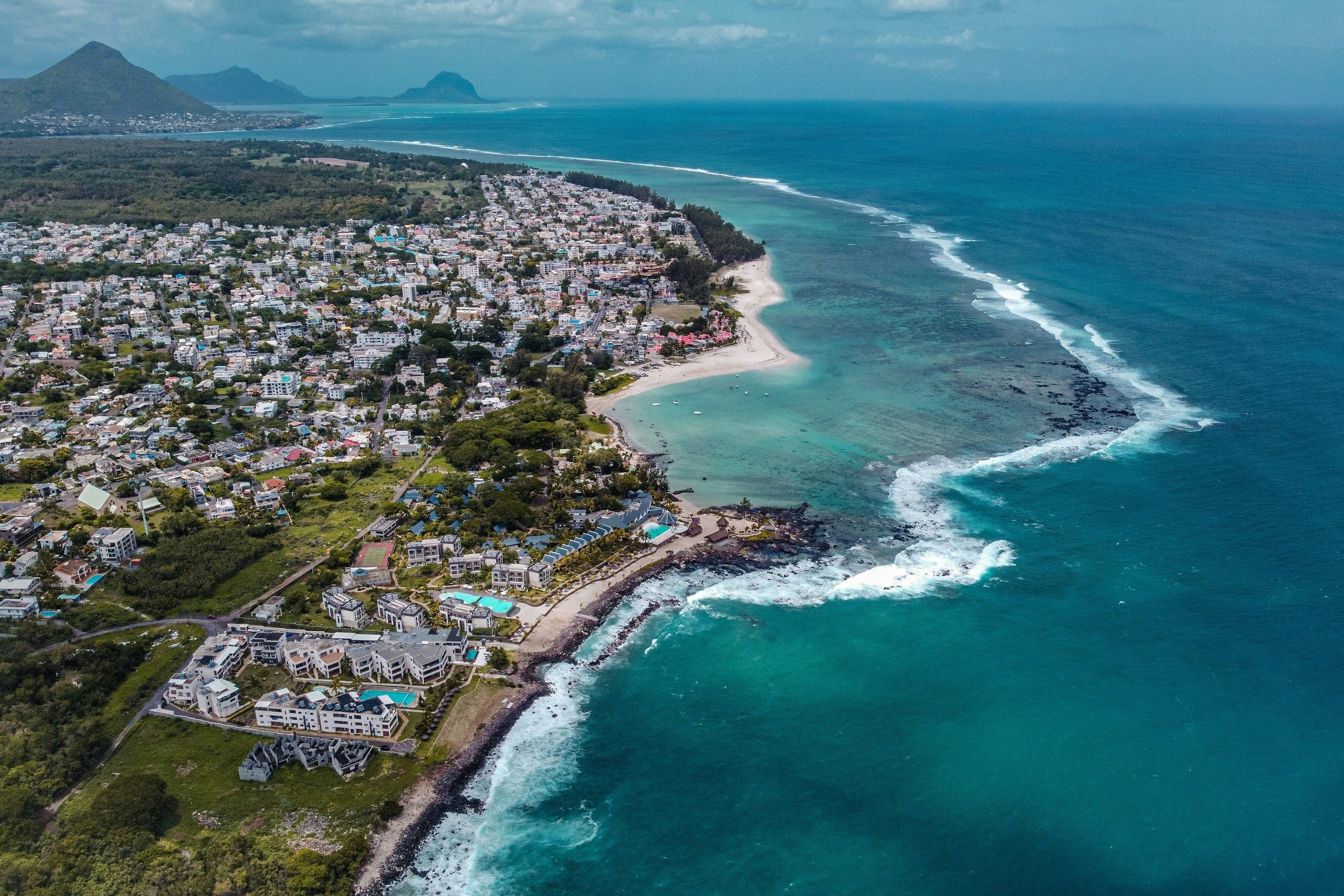


Mauritius
Why study in Mauritius
Mauritius is rapidly transforming into a premier regional education hub, offering a unique blend of high-quality academic standards and a multicultural lifestyle. The island features a growing number of internationally recognised institutions and branches of global universities, providing students with degrees that carry worldwide prestige.
With a welcoming society, a safe environment, and a focus on sustainability, Mauritius offers international students the opportunity to pursue their career goals while enjoying the unparalleled beauty of the Indian Ocean.
Popular programmes
Higher education in Mauritius is particularly strong in sectors that drive the national economy. Top-tier programmes include Business Administration, Law, and Information Technology. Additionally, the country is gaining recognition for specialised courses in Tourism and Hospitality, Financial Services, and emerging fields like Artificial Intelligence and Fintech.
What sets Mauritius apart
Mauritius offers a distinct Young Professional Occupation Permit (YPOP), allowing international graduates who have completed at least an undergraduate degree in the country to stay and work for up to 3 years. This permit is designed specifically to retain talent in high-growth sectors such as Fintech, Robotics, and Information Technology. Furthermore, the island's status as a safe, peaceful nation with a high quality of life makes it an ideal transition point for students looking to launch a global career while based in a tropical paradise.
Student life
Student life in Mauritius is a mix of academic rigour and island adventure. Beyond the classroom, students can explore world-renowned beaches, hike in the Black River Gorges National Park, or participate in cultural festivals. The "Cybercity" in Ebene provides a modern urban experience, while university towns offer affordable student housing and local culinary delights. Public transport is accessible, and the multicultural atmosphere ensures that international students feel at home quickly.
Min. wage per hour for part-time jobs
Max. allowed part-time work hours
Cost of living
- Accommodation: MUR 12,000 – 25,000/month
- Food: MUR 8,000 – 15,000/month
- Transportation: MUR 1,500 – 3,000/month
- Utilities: MUR 3,000 – 6,000/month
- Health insurance: MUR 1,000 – 3,000/month
(Source: https://www.numbeo.com/ as of Feb 2025)
Visa and work permit
Student visa
- Eligibility: Requires an offer letter from a recognised tertiary institution, proof of funds, and a clean medical report.
- Validity: Issued for the duration of the study programme.
Post-study work visa
- Eligibility: Completion of a UG degree or higher in a Mauritian institution; application must be made within 6 months of results.
- Validity: Up to 3 years.
(Source: Passport and Immigration Office, Mauritius)
Employment opportunities
- Information Technology (Fintech/AI): High
- Financial Services & Accounting: High
- Engineering & Construction: High
- Tourism & Hospitality: Medium
- Healthcare & Personal Care: Medium
Most universities require proof of English proficiency through IELTS (6.0+), TOEFL (79+), or PTE (54+).
Undergraduate tuition typically ranges from MUR 80,000 to MUR 160,000 per year, depending on the programme.
Most institutions accept gaps if they are justified with relevant work experience or personal development documentation.
It is generally recommended to apply at least 2–3 months before your course start date to allow for processing by the Passport and Immigration Office.
