Welcome to Jersey City
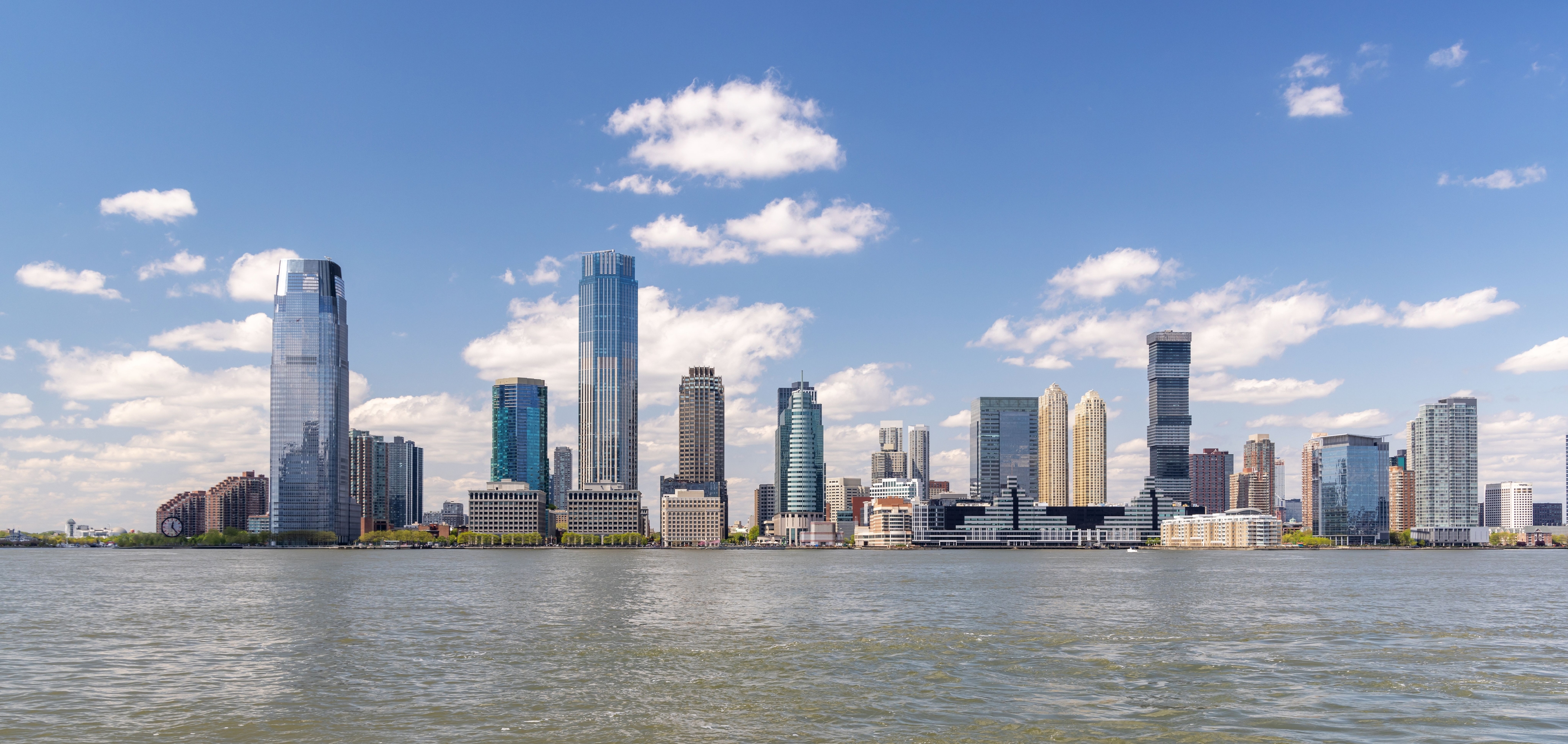
Study with skyline views and big opportunities
USD 20,000–40,000/year
Annual tuition fees
USD 1,500–2,200/month
Monthly living costs
Why study in Jersey City
Jersey City gives you the best of both worlds—proximity to New York City and a slightly more affordable lifestyle. It’s a thriving student destination packed with cultural diversity, waterfront views, and access to world-class internships. From financial firms and startups to media and healthcare institutions, you’ll find valuable career connections just across the Hudson River. With dynamic public transport, vibrant neighbourhoods, and plenty of student support, it’s a great place to learn and live.
Study abroad seamlessly
Download our brand-new app


Student life
Student life in Jersey City is energetic and multicultural. You’ll explore lively food spots, music festivals, pop-up markets, and green spaces along the waterfront. Thanks to excellent transport, day trips to Manhattan or Brooklyn are easy. On campus, you’ll find diverse student clubs and support groups. With endless entertainment, career events, and community involvement, you'll quickly find your place here—balancing academics with a vibrant city lifestyle.
Avg. wage per hour
Max. allowed part-time hours
Cost of living
- Food: USD 400–600/month
- Rent: USD 900–1,600/month
- Household Bills: USD 120–200/month
- Transport: USD 100–180/month
- Miscellaneous: USD 150–300/month
Accommodation choices
- University accommodation
- Private halls
- Shared houses
- Private/Studio apartments
- Co-living spaces
Most opted part-time jobs
- Barista
- Retail assistant
- Tutor
- Waiter/waitress
- Receptionist
Public transport
- Subway
- Train
- Bus
- Bike sharing
- Shared taxi

Edvoy Stays
Let’s help you find budget-friendly student housing in Jersey City
CULTURE
Jersey City’s culture blends big-city energy with local charm. You’ll discover street art, live jazz, cultural parades, and an incredible food scene influenced by dozens of communities. The city celebrates inclusivity, making it easy to meet people from around the world. Whether you’re catching a gallery opening, volunteering at a local event, or heading into NYC for a Broadway show, the cultural options are endless.
SAFETY
Jersey City is generally safe for students, especially in areas near universities and transport hubs. Campuses offer 24/7 security, and local services are responsive. In case of emergencies, dial 911. For non-urgent support, you can reach Jersey City Police at +1 201-547-5477. Practise basic precautions and stay informed—most students find the city safe and welcoming.
Discover the city
Located in New Jersey just across from Manhattan, Jersey City is a dynamic urban hub with fast-growing industries, diverse neighbourhoods, and stunning skyline views. It’s a top choice for international students who want to study near New York without the full cost of living there. With a walkable layout, cultural richness, and top educational institutions, Jersey City makes it easy to blend academic focus with city life.
Language
English
Currency
USD
Population
290K
Area
54 sq. km
Cities you may like










Frequently asked questions
Yes, Jersey City is excellent for international students. It offers access to top universities, great career opportunities, and cultural diversity. With quick links to New York, you’ll enjoy the buzz of city life while staying in a more manageable and affordable location.
While Jersey City is not the cheapest, it’s more affordable than living directly in New York City. Shared housing, student discounts, and part-time jobs can help you balance your budget while enjoying big-city advantages.
Yes, Jersey City is generally safe, especially in student-heavy and downtown areas. Universities offer support services and campus security, and public transport is reliable. Staying alert and informed helps ensure a smooth, safe student experience.
Yes, you’ll find plenty of student housing options in Jersey City—from university dorms to shared flats and co-living spaces. It’s best to start early and look for places near your campus or public transport links.
